Traveling with Children: Life Lessons No Classroom Can Teach
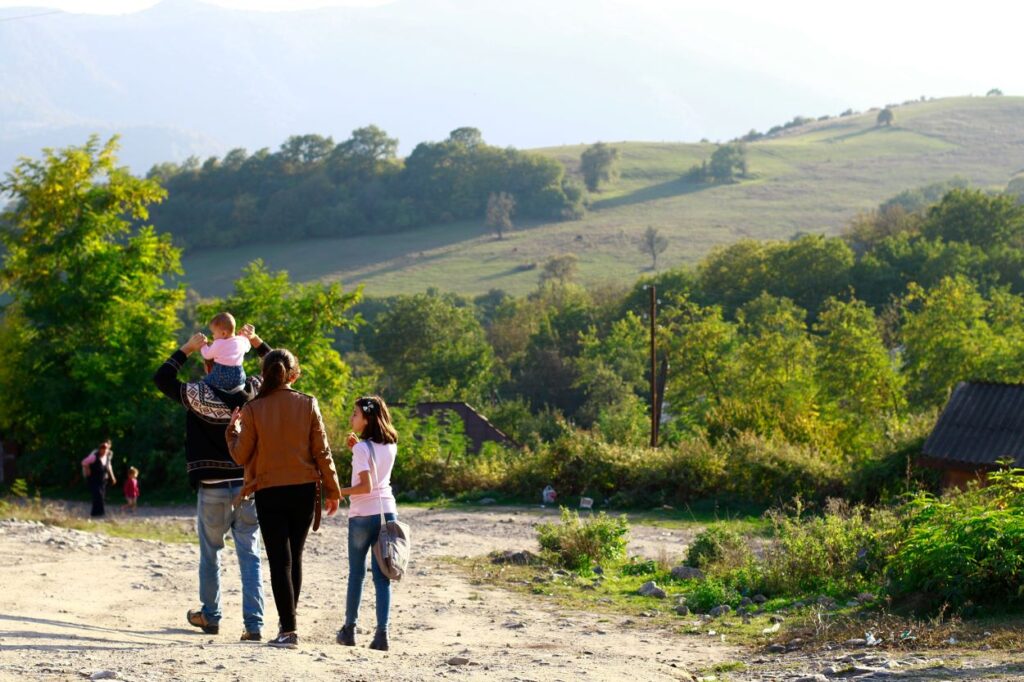
Traveling has always been one of the most loved human experiences across the world. Irrespective of region, income, culture, language, or lifestyle, people are naturally drawn to new places and new journeys. Almost everyone carries a travel story from the past—and a destination in mind for the future, often saying, “One day, I will visit that place.”
Travel is not limited to visiting a new location. It connects us to new people, cultures, cuisines, languages, weather, and ways of life. These experiences are not only pleasing to the eyes and mind but also contribute deeply to our overall well-being.
When it comes to traveling with children, the joy often multiplies. If happiness could be measured, children would likely score higher than parents. Even short journeys excite them—they love exploring unfamiliar places and enjoying the journey itself. I often see this happiness within my own family whenever a travel plan takes shape.
Of course, parents naturally worry about safety, especially with younger children, and expenses are always a concern. Yet, despite these challenges, traveling with children offers multifold benefits and creates lifelong experiences that go far beyond the journey itself.
Why Travelling Matters for Children (Positive Impact)
Travel does not merely please children; it helps them develop a broader perspective on life. Schools often organize educational tours to allow children to explore new places, ideas, and ways of thinking beyond the classroom. Experts widely believe that travel teaches far more than geography—it supports overall development by exposing children to real-world situations and experiences.
Planning and Management Skills
While planning a trip, parents discuss destinations, modes of travel, budgets, and time schedules, and then choose what best suits the family’s situation. By observing these conversations, children learn that planning and decision-making are essential to achieving goals. These early exposures quietly shape their problem-solving and organizational abilities.
Sense of Completeness and Organization
Before leaving home, parents ensure everything is in order—packing bags, checking tickets, arranging necessary belongings, and even unplugging electrical appliances. Such routines help children understand the importance of preparation, responsibility, and organization, concepts that extend far beyond travel.
Stronger Family Bonding
There is a saying: “You grow closer to your family the more you travel together.” Shared journeys naturally increase care, empathy, cooperation, and joyful moments among family members. These experiences strengthen emotional connections and teach children the value of togetherness and mutual support.
Curiosity and Observation
From the moment children hear about an upcoming trip, their imagination begins to work. They think about the journey, the places they will see, the food they will eat, and the small souvenirs they might bring back. This anticipation nurtures curiosity, observation skills, and patience—qualities that are essential for lifelong learning.
Real-World Learning
Travel offers children firsthand exposure to the real world. They see different environments, cultures, lifestyles, and social behaviors, helping them understand concepts that books alone cannot fully explain. These experiences make learning more meaningful and memorable.
Emotional Growth
Facing new situations during travel—such as unfamiliar places, people, or routines—helps children develop emotional resilience. They learn to adapt, manage discomfort, and become more flexible, which supports emotional maturity.
Motivation and Confidence
Successfully navigating new environments boosts a child’s confidence. Whether it’s speaking to new people, trying unfamiliar food, or adjusting to a different routine, these small achievements motivate children and strengthen their belief in their own abilities.
Reduced screen dependence
During travel, children naturally engage more with their surroundings, family conversations, and real experiences, offering a healthy break from screens and digital distractions.
Travel may last a few days, but the lessons it leaves in a child often last a lifetime.
Why Parents Hesitate to Travel with Children
Parents’ hesitation to travel with children is natural and understandable. Being in the driver’s seat, parents must consider multiple factors before planning a journey. Several aspects need to align for a family trip to be enjoyable—financial readiness, health concerns of family members, school or office schedules, and even social or political conditions at the destination.
At its core, this hesitation comes from a desire to ensure that the trip remains joyful rather than stressful. Parents often believe that unless most elements are in place, travel may lead to discomfort or dissatisfaction instead of meaningful experiences.
Travel, in many ways, is like a musical instrument. When all elements are well-tuned and harmonized, it creates beautiful music. But a half-hearted or poorly planned journey can feel disorganized and exhausting. This is why many parents choose to postpone travel rather than proceed with uncertainty.
Planning a Thoughtful and Successful Trip with Children
A successful family trip does not depend on luxury destinations or perfectly packed itineraries. It depends on thoughtful planning that places children’s needs at the center. When travel is approached with flexibility and care, it becomes a source of joy rather than stress for the entire family.
Start Small and Keep Expectations Realistic
Not every trip needs to be long or distant. Short journeys, nearby destinations, or even weekend getaways can be equally meaningful for children. Keeping expectations realistic helps both parents and children enjoy the experience without unnecessary pressure.
Involve Children in the Planning Process
Allowing children to participate in small decisions—such as choosing activities, snacks, or places to visit—gives them a sense of ownership. This involvement builds excitement and gradually teaches decision-making and responsibility.
Learn from Past Travel Experiences
Looking back at previous trips can be surprisingly helpful. Identifying small shortcomings—such as forgetting essential items or over packing—allows parents to plan better the next time. Learning from experience makes each journey smoother than the last.
Stay Informed About Travel Guidelines
Travel guidelines and advisories can change over time. Before starting a journey, it is wise to review updates from both local authorities and those at the destination. Being informed helps parents avoid unexpected disruptions and travel with greater confidence.
Keep the Backpack Optimized
Packing thoughtfully is essential when traveling with children. Carrying favorite books, toys, snacks (especially for toddlers), season-appropriate clothing, and other basic utilities can make a big difference. If a child is on medication, prescribed medicines should always be packed carefully.
Prioritize Comfort Over Perfection
A relaxed pace matters far more than covering multiple attractions. Adequate rest, flexible schedules, and familiar routines help children stay comfortable and cooperative throughout the journey.
Plan with Health and Safety in Mind
Carrying basic medicines, checking weather conditions, and being aware of nearby medical facilities can prevent unnecessary anxiety. For younger children, teaching them a parent’s contact number or keeping emergency contact details in their pocket can be a simple yet effective safety measure.
Budget Mindfully and Plan Within Means
Travel does not have to be expensive to be enriching. Planning within a comfortable budget reduces stress and allows families to focus on shared experiences rather than expenses.
Keep Space for Spontaneity
While planning is important, leaving room for unplanned moments often creates the most memorable experiences. Children, in particular, enjoy small surprises and spontaneous discoveries that add warmth to the journey.
Thoughtful planning does not remove uncertainty, but it transforms travel into an experience that nurtures connection, confidence, and shared joy.
Frequently Asked Questions (FAQs)
Parents often have a few lingering questions when it comes to traveling with children. Below are some common concerns worth reflecting on.
1. Is traveling with young children really worth the effort?
Yes. While traveling with children may require additional planning, the experiences gained often outweigh the challenges. Even simple journeys expose children to new environments, strengthen family bonds, and support emotional and social development in ways daily routines cannot.
2. What is the best age to start traveling with children?
There is no “perfect” age. Travel benefits children differently at different stages of growth. Toddlers gain sensory exposure, school-age children develop curiosity and understanding, and older children gain perspective and independence. The value lies in the experience, not the age.
3. How can parents manage safety concerns while traveling?
Safety concerns are natural and valid. Thoughtful planning, awareness of local conditions, carrying basic medicines, and keeping emergency contact information accessible can significantly reduce anxiety and help parents travel with greater confidence.
4. Does traveling disrupt a child’s routine in a harmful way?
Short-term disruption is part of travel, but it is not harmful. In fact, adjusting to new routines helps children develop flexibility and adaptability—important life skills. Returning to familiar routines after travel usually happens naturally.
5. Do children really benefit from travel if they may not remember it later?
Even if children do not consciously remember every trip, the emotional impressions remain. Shared experiences, exposure to new situations, and feelings of connection contribute to confidence, curiosity, and emotional growth over time.