8 Habits for Growing Kids: Shaping a Successful Future.
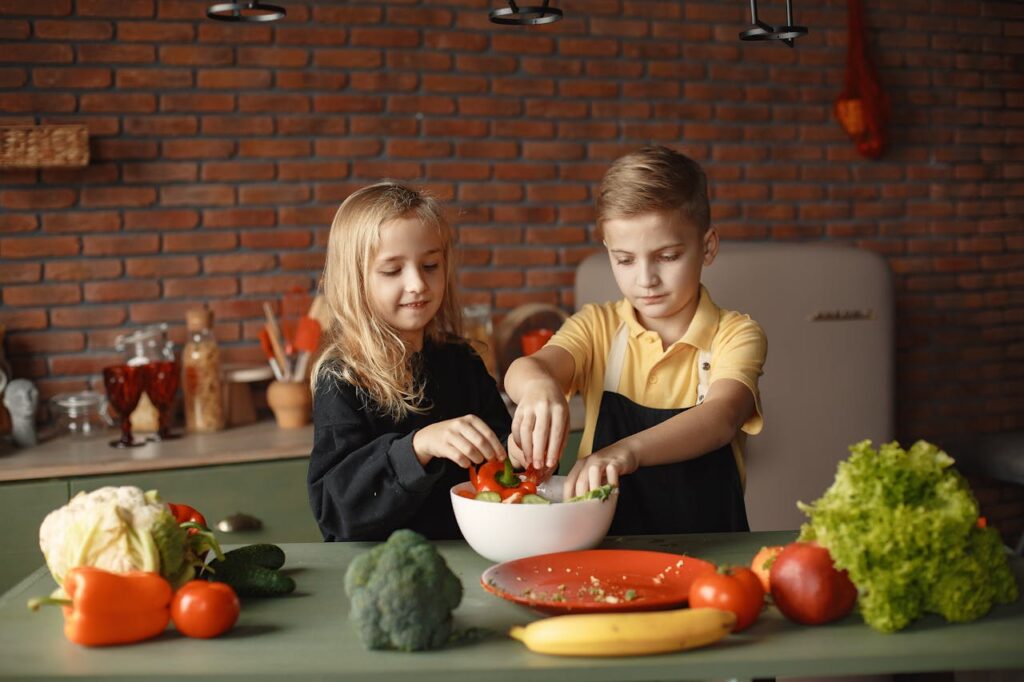
“We are what we repeatedly do. Excellence, then, is not an act, but a habit.”— Aristotle
Habits are the invisible architecture of our lives. How we think, how we react to stress, and how we tackle daily challenges are all largely influenced by our long-term routines. A habit is more than just a repeated action; it is a behavior that becomes so ingrained over time that it happens subconsciously. Essentially, who we are today—and who our children will become tomorrow—is a reflection of the habits we cultivate.
In his bestselling book, Atomic Habits, author James Clear beautifully describes how tiny, “atomic” changes in our routines can lead to life-altering results. This concept is vital for parents. Because a child’s mind is so adaptable, it is much easier for them to form new habits now than it will be in adulthood. As parents, we must be conscious and intentional, ensuring that the habits our growing kids are picking up today are the ones that will serve them for a lifetime.
As parents, we must be conscious and intentional about the routines we establish today. To help you get started, the following are 8 habits for growing kids that will provide a roadmap for their health, happiness, and long-term success.
1-Healthy Eating and Hydration.
Developing a healthy diet doesn’t require expensive ingredients or “superfoods.” It is simply about ensuring our children get the necessary nutrients from wholesome, budget-friendly sources like seasonal fruits and vegetables. In today’s world, kids are naturally drawn to processed junk food—options that might satisfy their taste buds but offer very little for their physical growth. As parents, our role is to bridge that gap by making nutrition a non-negotiable part of their daily routine.
Key Habits to Build:
- The Power of Breakfast: Ensure your child has a balanced, nutritious breakfast before heading to school. This fuels their brain for a morning of learning.
- Smart Snacking: Encourage seasonal fruits over packaged snacks to provide natural energy.
- Consistent Hydration: Water is the most important nutrient. Make sure a water bottle is a permanent item in their school bag and encourage them to meet their daily water intake goals.
How to Develop This Habit:
- The “One New Veggie” Rule: Don’t overhaul their whole diet at once. Introduce one seasonal vegetable per week prepared in a simple, tasty way. This reduces “food neophobia” (fear of new foods) without the stress.
- Batch-Prep Breakfast: To ensure they eat before school, prepare simple “grab-and-go” options like overnight oats or boiled eggs. If it’s ready, they’ll eat it.
- The “Visual Water” Goal: Use a transparent water bottle with simple markings (e.g., “Good job!” or “Keep going!”) to show them exactly how much they’ve drunk. Visual progress is a huge motivator for kids.
By focusing on “proper and timely” meals rather than “expensive” ones, we teach our children that health is a lifestyle, not a luxury.
2. Daily Hygiene and Body Care
Good hygiene is the first line of defense against illness. By teaching our children proper personal care, we aren’t just keeping them clean—we are protecting their health. Simple, consistent habits can prevent many common infections and instill a sense of self-respect in how they carry themselves. To make hygiene “stick,” it should be treated as a mandatory, yet rewarding, part of their daily rhythm.
Essential Habits to Foster:
- The “Clean Threshold” Rule: Establish a habit of removing outdoor shoes at the doorstep. This simple step significantly reduces the amount of dirt and bacteria brought into the living space.
- Hand washing Rituals: Ensure that washing hands before joining the dining table is a non-negotiable rule. It’s the easiest way to prevent the spread of germs before meals.
- Daily Showering: Allot enough time for a thorough daily shower. Beyond cleanliness, this helps kids wind down and understand the importance of refreshing their bodies.
- Mouth Care Routine: Proper teeth brushing (ideally twice a day) should be a staple habit to ensure long-term dental health.
How to Develop This Habit:
- Create a “Hygiene Station”: Place a small stool by the sink and keep their favorite soap or a fun toothbrush within reach. When the environment is set up for them, they are more likely to do it themselves.
- The “Pairing” Technique: Link a hygiene task to an existing fun habit. For example, “We listen to your favorite 2-minute song while we brush our teeth.” This makes the time pass faster and builds a positive association.
In our home, we found that putting a colorful sticker chart by the shoe rack made the ‘shoes off’ habit stick in just one week
3. Staying Active and Playing Outside
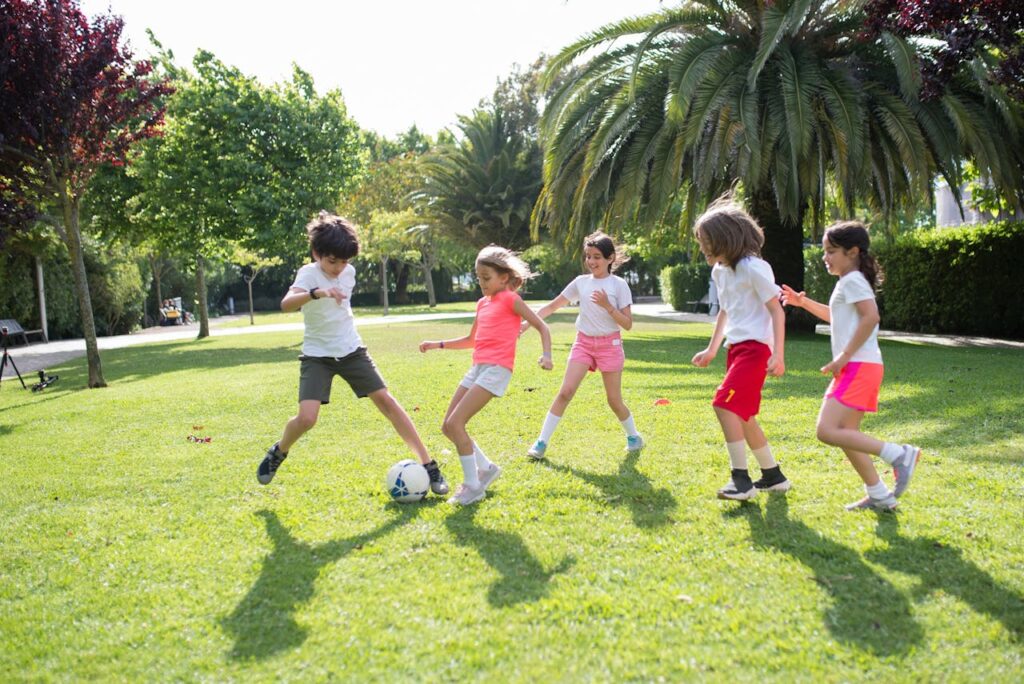
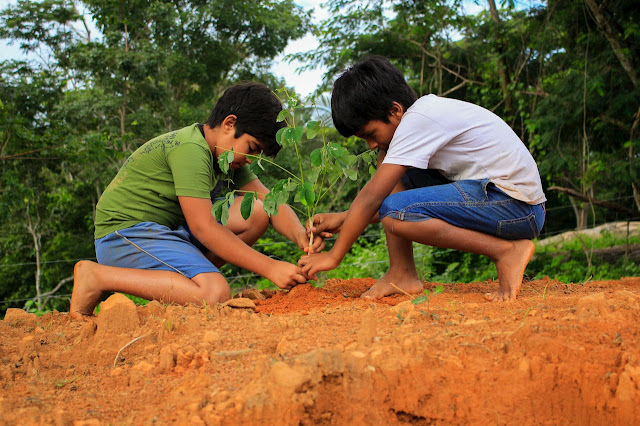
There is no digital substitute for the benefits of outdoor play. In an era where “screen addiction” is a growing concern for parents, the World Health Organization (WHO) has emphasized the vital need for physical activity in a child’s development. Encouraging kids to step outside isn’t just about burning energy; it is the most effective way to naturally reduce screen time and reconnect them with the real world.
Why Active Play Matters:
- Holistic Health: Regular movement strengthens the body, but outdoor games also build “soft skills” like team spirit, leadership, and effective communication.
- Diverse Activities: Staying active doesn’t always require organized sports. Even a simple morning walk or a game of tag in the park can have significant physical and mental benefits.
- Building Resilience: Navigating the outdoors helps children learn to assess risks and interact with their environment in ways a tablet never could.
By making physical activity a daily family value, we help our children trade digital consumption for active participation in life.
How to Develop This Habit
- The “Green Hour” Rule: Set a goal for one hour of outdoor time every day, regardless of the activity. If it’s a habit, it becomes a natural part of their schedule rather than a negotiation.
- Be the Role Model: Children mimic what they see. Instead of telling them to go outside, take a 15-minute family walk after dinner. When parents move, kids follow.
- Provide Simple “Hooks”: You don’t need expensive equipment. A simple football, a jump rope, or a magnifying glass for a “nature hunt” can be enough to trigger their curiosity and get them moving.
- Use Activity as a Reward: Instead of offering extra screen time as a reward, offer a trip to the local park or a bike ride. This shifts their mindset to see the outdoors as a “treat.”
4. Smart Screen Time and Sleep
In our digital age, screens are everywhere, but they shouldn’t be “every-time.” High screen consumption—especially before bed—is a leading cause of poor sleep quality and shortened attention spans in growing kids. Since sleep is the time when a child’s brain processes learning and releases growth hormones, protecting their rest is the ultimate act of intentional parenting.
The Benefits: Why Balance Matters
- Better Cognitive Function: Quality sleep improves memory, focus, and problem-solving skills at school.
- Emotional Regulation: Well-rested children are significantly better at managing frustration and staying positive.
- Eye & Posture Health: Reducing screen time prevents digital eye strain and the “tech-neck” posture common in the digital generation.
How to Develop This Habit
- The “Digital Sunset” Rule: Establish a rule that all screens (tablets, TVs, phones) are turned off 60 minutes before bedtime. This allows the brain to produce melatonin, the natural sleep hormone.
- Create a “Device Parking Lot”: Designate a basket or charging station in a common area (like the kitchen) where all devices “sleep” at night. This prevents the temptation of late-night scrolling in the bedroom.
- The “1-for-1” Exchange: For every 30 minutes of screen time, encourage 30 minutes of an “analog” activity, like reading, drawing, or playing with blocks. This teaches kids to view tech as just one of many entertainment options.
- Prioritize “Active” vs. “Passive” Content: Not all screen time is equal. Encourage educational games or creative coding (active) over endless scrolling of short-form videos (passive).
- Establish a Calming Nightly Ritual: Replace the screen with a book, a warm bath, or a quick “gratitude chat” about their day. This signals to the body that it is time to recharge.
5. Responsibility and Tidying Up
Responsibility isn’t a trait children are born with; it is a muscle they build through small, daily repetitions. Teaching a child to care for their surroundings—starting with their own room—builds a sense of “ownership.” When a child learns to tidy up, they aren’t just cleaning a floor; they are learning that their actions have an impact on their environment.
The Benefits: Confidence & Order
- Self-Reliance: Kids who handle small chores feel more capable and less dependent on adults for every minor task.
- Mental Clarity: A cluttered space often leads to a cluttered mind. Teaching organization helps children focus better on play and study.
How to Develop This Habit
- The “Five-Minute Blitz”: Before dinner or bed, set a timer for five minutes. Make it a family race to see how many items can be returned to their “home.” This turns a chore into a game.
- The “One-In, One-Out” Rule: To manage clutter, teach kids that when a new toy or book comes in, an old one should be donated or put away. This instills a lifelong habit of minimalism and sharing.
- Age-Appropriate “Anchor” Chores: Assign one small, daily task that is theirs alone—like feeding the pet or watering a plant. This builds the “Atomic Habit” of being accountable.
6. Kindness, Sharing, and Respect
Social habits are the “soft skills” that determine how the world interacts with your child. In our “Inside-Out” approach, kindness is the external expression of internal empathy. By teaching respect and politeness early, we help children build strong friendships and navigate social challenges with grace.
The Benefits: Emotional Intelligence
- Stronger Friendships: Children who understand sharing and respect are naturally more popular and have fewer conflicts with peers.
- Community Awareness: It helps kids realize they are part of a larger world, fostering a sense of “we” instead of just “me.”
How to Develop This Habit
- The “Magic Words” Modeling: Instead of just telling them to say “please” and “thank you,” make sure they hear you using those words with delivery drivers, waiters, and family members.
- The “Sharing Rotation”: For high-value toys, use a timer. “You have it for 10 minutes, then it’s your friend’s turn.” This teaches that sharing isn’t “losing” an item; it’s “waiting” for a turn.
- Role-Play Scenarios: Spend a few minutes at dinner playing “What would you do?” (e.g., What would you do if a friend felt sad?). This builds the mental habit of empathy.
7. The Habit of Reading Every Day
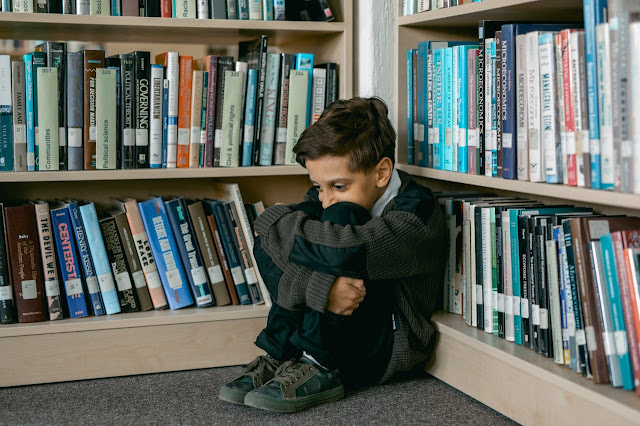
Reading is the ultimate brain exercise. While digital videos provide passive entertainment, books require active imagination. A daily reading habit expands vocabulary, improves focus, and provides a quiet space for a child’s mind to grow.
The Benefits: Intellectual Curiosity
- Vocabulary Expansion: Exposure to written language helps kids express their own feelings more accurately.
- Bonding Time: Shared reading creates a safe, quiet space for parents and children to connect without distractions.
How to Develop This Habit
- The “Read-Aloud” Ritual: Even after kids can read themselves, continue reading a chapter of a “big kid” book to them at night. It builds a positive emotional association with books.
- Create a “Cozy Nook”: Dedicate a specific corner with a beanbag or soft pillows just for reading. If the space is inviting, the habit becomes a treat rather than a task.
- The “Library Date”: Make visiting the library a weekly “event.” Let them choose books based on their current interests (dinosaurs, space, or art) to foster a genuine love for learning.
8. Gratitude and Positive Thinking
The final pillar of our guide is the “Mindset Habit.” In a world that often focuses on what we don’t have, teaching a child to see the good is the greatest gift a parent can give. Gratitude and positive self-talk are the shields that protect a child’s mental well-being as they grow.
The Benefits: Mental Resilience
- Stress Reduction: Grateful children are proven to be more resilient when things go wrong.
- Confidence: Positive self-talk replaces the “internal critic” with an “internal cheerleader,” helping them take healthy risks.
How to Develop This Habit
- The “Three Good Things” Dinner: Every night, ask everyone at the table to share three good things that happened that day. This trains the brain to look for the positive.
- The “Grateful Jar”: Write down small wins on scraps of paper and put them in a jar. On a rainy or “bad” day, read them together to remember the good times.
- Flip the Script: When a child says “I can’t do this,” teach them to add the word “Yet.” (“I can’t do this yet.”) This tiny change in self-talk is a powerful “Atomic Habit” for growth.
Closing Thoughts: The Journey of a Thousand Small Steps
Parenting is not about perfection; it is about direction. As we’ve explored, the most powerful changes don’t come from overnight transformations, but from the “atomic” habits we nurture every day. By focusing on these eight pillars, you are doing more than just teaching chores or hygiene—you are building a foundation of resilience, health, and character that will stay with your child for a lifetime. Start small, stay consistent, and remember that every positive choice today is an investment in your child’s tomorrow.
Frequently Asked Questions (FAQs)
1. At what age should I start teaching these habits?
It is never too early to start. While a toddler can learn the “shoes off” rule, an older child can manage “saving habits.” Tailor the responsibility to their age, but start the consistency as early as possible.
2. How do I handle a child who resists a new routine?
Resistance is natural. Instead of a power struggle, use the “1-for-1” exchange or make it a game (like the Five-Minute Blitz). Focus on “positive reinforcement”—praise the effort more than the result.
3. What is the most important habit for a child’s mental health?
While all are vital, Gratitude and Positive Self-Talk are the biggest drivers of mental well-being. They act as an internal shield against stress and help build a “growth mindset.”
4. How long does it take for a new habit to become “automatic”?
Research suggests it can take anywhere from 21 to 66 days. The key is not to miss two days in a row. As James Clear says in Atomic Habits, “Consistency is more important than intensity.”