How News and World Events Affect Children — How Parents Can Help
When we talk about parenting today, one topic always comes up — screen time and internet usage. Many discussions focus on how excessive screen exposure can affect a child’s physical health, sleep patterns, and overall development.
Because of these concerns, parents often try to limit and regulate screen time for their children. However, there is another hidden aspect of digital exposure that receives much less attention.
Even when screen time is controlled, children are still indirectly exposed to news, discussions, speeches, podcasts, and social media conversations happening around them.
Experts widely agree that it is neither possible nor desirable to completely remove the internet from children’s lives. The internet is one of the most powerful sources of information today. It provides knowledge, learning opportunities, and awareness about the world.
However, it also delivers constant news updates about global events, conflicts, disasters, and crises.
In recent years, several parts of the world have experienced conflict and unrest. News coverage often includes disturbing visuals, emotional debates, and alarming headlines. Television broadcasts, social media feeds, and online discussions frequently present these events in intense and dramatic ways.
Even if parents do not intentionally expose children to such content, children often overhear conversations, glimpse headlines, or see visuals on screens.
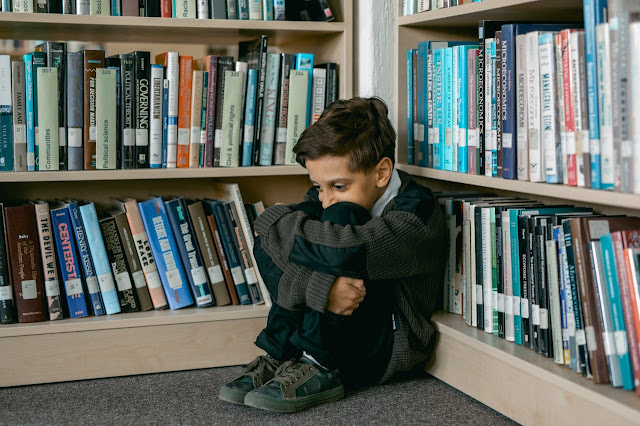
At a young age, children may struggle to fully understand what they are seeing or hearing. Instead, they may imagine situations in ways that create fear, confusion, or insecurity.
Images of violence, injured people, or destruction can leave a strong impression on a child’s developing mind. Exposure to such disturbing content can lead to anxiety, emotional stress, and long-lasting psychological effects.
Research also highlights the seriousness of traumatic exposure. According to the World Health Organization, approximately 10% of people who experience or witness traumatic events may develop long-term psychological or behavioral changes that affect their daily functioning.
Children are especially vulnerable because their understanding of the world is still developing.
In this article, we will explore how exposure to disturbing news and global events can affect children’s thinking and emotional well-being, and what parents can do to reduce its negative impact.
How Conflicting News and Information Affect Children’s Thinking
Children are naturally curious about the world around them. When they hear news discussions or see headlines on screens, they try to understand what is happening. However, because their thinking and emotional understanding are still developing, they may interpret such information differently from adults.
Fear And Worry
Young children may find it difficult to understand distance or probability. When they hear about wars, disasters, or violence, they may assume these events are happening nearby or could happen to them.
Confusion About Information
News reports, social media discussions, and conversations among adults may present different opinions about the same event. This can sometimes confuse children, who may struggle to understand what is true.
Negative Impression of the World
Because news often highlights problems and conflicts, children may begin to feel that the world is mostly unsafe or troubling if they hear such stories frequently.
Emotional Sensitivity
Some children may feel sad or concerned when they hear about people facing difficulties. While empathy is positive, repeated exposure to distressing news can sometimes make them emotionally overwhelmed.
What Experts Say About Children and News Exposure
According to the American Academy of Child and Adolescent Psychiatry:
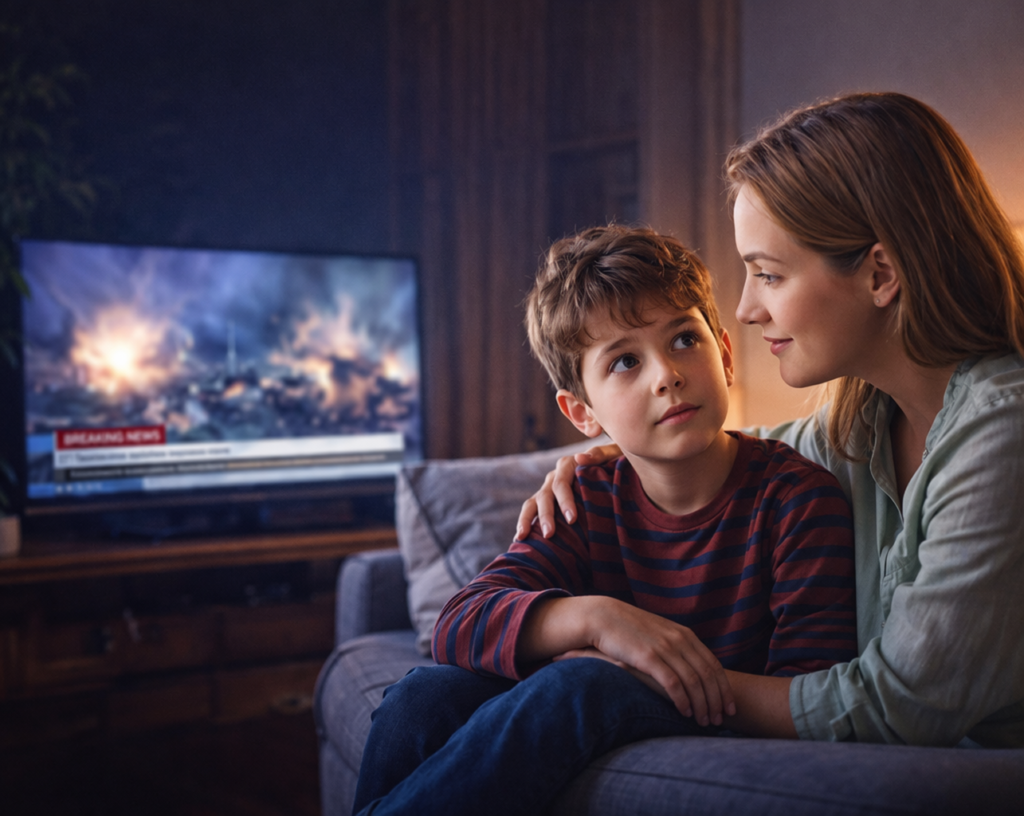
“Parents can help by watching the news with their children, discussing what they see, and encouraging them to ask questions.”
This highlights the importance of parental guidance when children come across news.
Source: American Academy of Child and Adolescent Psychiatry
What Parents Can Do to Protect and Support Children
While it may not be possible to completely shield children from news and world events, parents can play a powerful role in shaping how children understand and respond to what they see and hear. With the right approach, exposure to information can become a learning opportunity rather than a source of fear.
Be Mindful of What Children Are Exposed To.
Children often see or hear more than we realize. News playing in the background, conversations between adults, or scrolling through phones can all expose them to sensitive information.
Parents can take small but effective steps such as:
- Avoiding graphic news content when children are nearby
- Using headphones while watching or listening to serious discussions
- Being aware of what is playing on shared screens
Creating a controlled media environment helps reduce unnecessary exposure.
Talk to Children in an Age-Appropriate Way
If a child asks questions about something they saw or heard, it is important not to ignore or dismiss them. Instead, respond calmly and in a way they can understand.
- Use simple and clear language
- Avoid giving too many details that may overwhelm them
- Focus on helping them feel safe and reassured
For example, instead of explaining complex conflict, you can say:
“Some people in another place are having problems, but many helpers are working to keep others safe.”
Reassure Them About Safety
One of the biggest fears children experience is the feeling that something bad might happen to them or their family.
Parents should:
- Reassure children that they are safe
- Explain that many events happen far away
- Emphasize the presence of helpers like doctors, rescue teams, and community workers
A sense of security is essential for a child’s emotional stability.
Encourage Questions and Open Conversations
Children may not always express their fears directly. Sometimes, their worries come out as repeated questions or unusual behavior.
Create a safe space where children feel comfortable asking anything.
Listen patiently and avoid reacting with anxiety or fear yourself.
When children feel heard, they are less likely to imagine worst-case scenarios on their own.
Limit Repeated Exposure to the Same News
Seeing or hearing the same distressing news multiple times can increase anxiety, even for adults.
For children, this effect is even stronger.
- Avoid constant news updates around them
- Do not repeatedly discuss disturbing events in front of them
- Set specific times for consuming news instead of continuous exposure
This helps prevent emotional overload.
Focus on Positive and Hopeful Stories
While news often highlights problems, there are always stories of kindness, help, and recovery.
Parents can balance negative exposure by:
- Sharing stories of people helping others
- Talking about solutions and recovery efforts
- Encouraging gratitude and positive thinking
This helps children develop a more balanced view of the world.
Maintain Daily Routines
Routine gives children a sense of normalcy and control.
Even when the outside world feels uncertain, regular habits like:
- Mealtimes
- Schoolwork
- Playtime
- Bedtime routines
help children feel stable and secure.
Watch for Behavioral Changes
Sometimes children may not express their feelings in words.
Parents should gently observe for signs such as:
- Changes in sleep
- Increased clinginess
- Irritability or withdrawal
If such changes continue, it may be helpful to spend more one-on-one time with the child or seek guidance from a child specialist.
In a world where information is constantly available, it is impossible to completely shield children from news and global events. However, what truly matters is not just what children see, but how they understand it.
With calm communication, reassurance, and mindful exposure, parents can help children feel safe, informed, and emotionally balanced.
Instead of letting the news create fear, it can become an opportunity to teach children empathy, critical thinking, and resilience.
At the end of the day, children do not need all the answers — they just need to know that they are safe, supported, and not alone.
Frequent Asked question ( FAQ )
Q1: How do I explain global events without scaring them?
A: Keep explanations simple and reassuring. Highlight that helpers and adults are working to keep people safe, and emphasize your child’s safety at home.
Q2: My child asks a lot of questions about scary events—what should I do?
A: Answer calmly and patiently. Let them ask questions, clarify misinformation, and avoid overwhelming them with too many details.
Q3: Is it okay for children to watch or listen to the news with me?
A: Yes, as long as it’s age-appropriate content. Watching together allows you to guide their understanding and respond to questions.
Q4: How can I tell if news exposure is affecting my child emotionally?
A: Look for changes in sleep, mood, or behavior, such as clinginess, irritability, or withdrawal. Early reassurance and open conversation help.
Q5: How can I help my child feel hopeful despite negative news?
A: Share positive stories, examples of helpers, and recovery efforts. Maintaining daily routines and emphasizing supportive actions helps children feel secure.